Step Into Learning: Adventures With Augmented Reality Field Trips

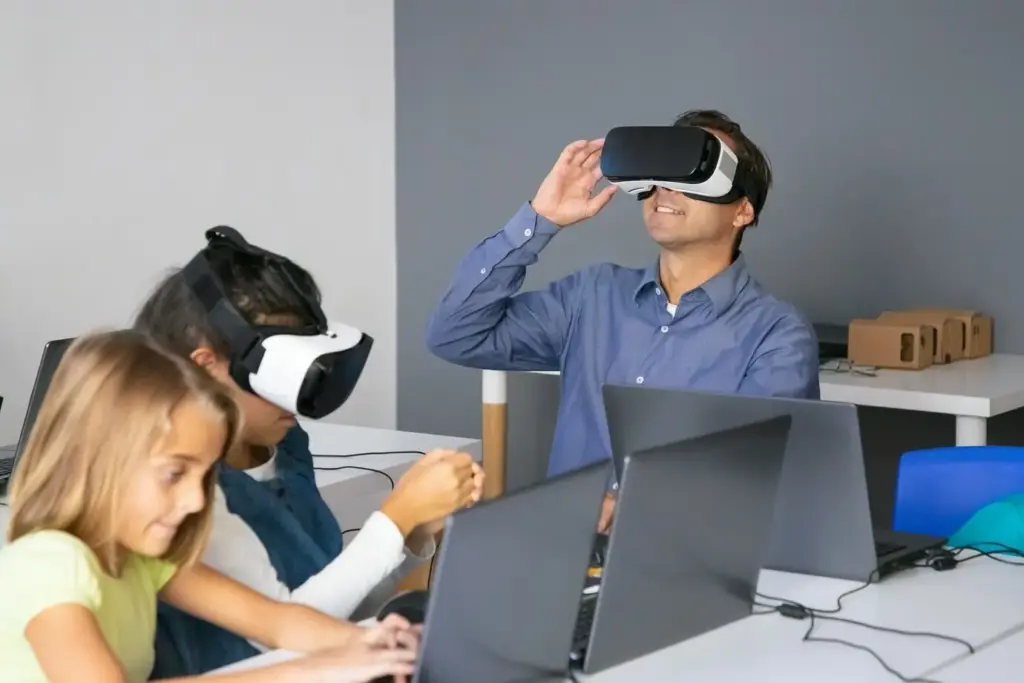
Join us as we dive into Augmented Reality Field Trips, where lessons step off the page and into the world around you. Picture ancient forums blooming over city squares, virtual ecosystems layered on school gardens, and hidden histories revealing themselves as you walk. We will explore practical planning, technology setup, safety, assessment, and inclusive design, while sharing stories from real classrooms. Ready to try it? Bring curiosity, charge your devices, and let’s go learn where sidewalks, parks, and museums become unforgettable, living classrooms.

Why This Works: Cognitive Sparks in Layered Places

When digital overlays meet real locations, attention sharpens and memories stick. Augmented experiences engage multiple channels—visual, spatial, and kinesthetic—strengthening understanding through context. Learners anchor new ideas to landmarks, sounds, and movement, transforming passive facts into lived encounters that encourage questions, conversation, and joyful discovery long after the walk ends.

01

Dual Coding, Doubled Curiosity

By pairing images, spatial cues, and concise narration with physical surroundings, learners form richer mental models. Dual coding helps ideas travel along more than one pathway, improving recall. When a Roman arch appears above a modern doorway, curiosity ignites, and the brain catalogs both the place and the explanation together.

02

Embodied Attention in Motion

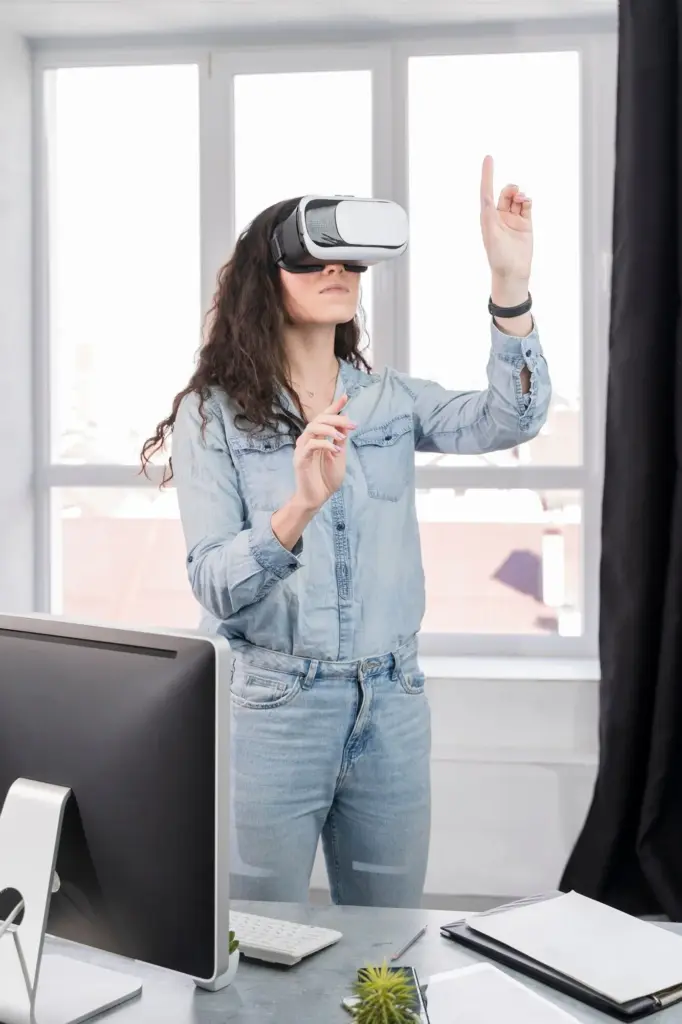
Moving through space while interacting with information recruits the body as a thinking partner. Embodied cognition suggests that gestures, orientation, and proximity shape understanding. Walking, pointing, and circling an AR object focus attention, encouraging deeper observation and natural collaboration as learners negotiate viewpoints and share discoveries right on the sidewalk.

03

Memory Anchors on Real Streets

Place-based cues create powerful memory anchors. A fountain near a statue becomes a retrieval hook for dates, names, and causes. Later, passing the same corner, learners unexpectedly recall explanations and stories. This spontaneous review strengthens learning, transforming ordinary routes into gentle reminders of concepts encountered in context.

Designing the Journey: From Map to Moment
Great experiences begin with clear intentions and a thoughtful route. Decide what big idea learners should carry home, then build moments that unfold like a compelling story. Balance wonder with reflection, plan dwell times, and prepare alternatives for weather, crowds, or unexpected construction so learning never stalls.

Toolkit and Setup: Phones, Headsets, and Hidden Gotchas

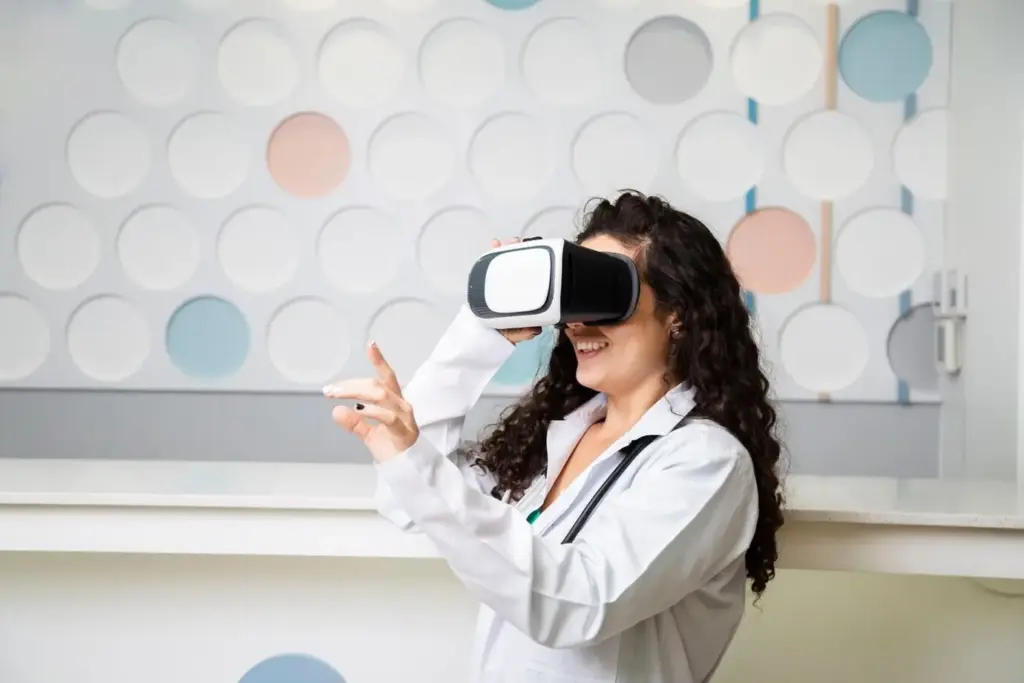
Success depends on preparation. Test devices, predownload content, and verify location accuracy. Bring battery packs, labels, and a simple troubleshooting plan. Anticipate data dead zones, sun glare, and noise. With a resilient toolkit and backup paths, you’ll keep attention on discovery instead of spinning loading icons.

Assessment That Feels Like Discovery

Embedded Checks in the Wild

Place micro-challenges inside the AR scenes: identify a structural feature, compare two interpretations, or predict a change over time. Students submit a photo with a caption or a brief voice note. These authentic, situated checks reveal thinking without halting the flow or breaking the sense of wonder.

Reflection That Travels Home

After the walk, invite learners to stitch moments together. A short gallery of annotated photos or a mapped timeline helps clarify cause-and-effect and sequence. Encourage peer feedback that references specific locations. This reflective consolidation turns vivid impressions into articulated understanding that endures beyond the day.

Data You Can Trust

Collect only what you need and make analysis quick. Auto-tag submissions by stop and time, and label them with learning goals. Look for patterns in misconceptions and feed them into tomorrow’s plan. Share wins and gaps transparently so learners see how evidence shapes their next steps.

Inclusion and Access for Every Learner
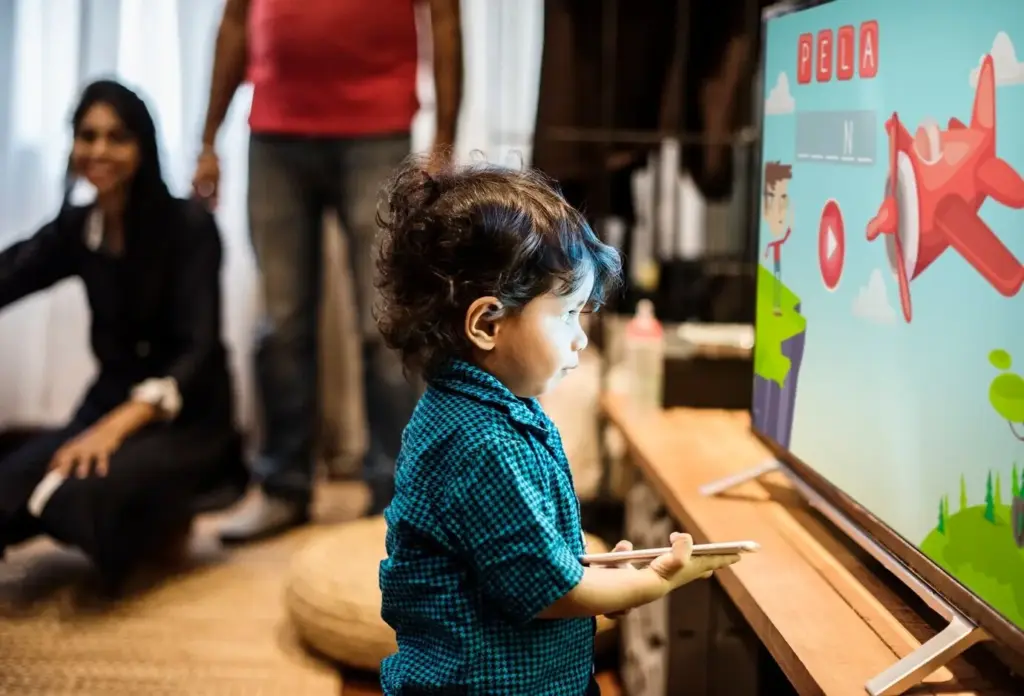
Equitable experiences welcome diverse needs. Offer multimodal explanations, adjustable text, and transcripts. Provide alternative interactions for limited mobility and sensory sensitivities. Design with quiet zones, shorter loops, and optional pauses. When access is designed in from the start, curiosity becomes a shared resource, not a privilege.

Multiple Paths Through the Same City

Create parallel routes that meet the same goals with different distances or surfaces. Offer seated alternatives near each stop, and equivalent AR moments viewable from safe, accessible vantage points. Ensure signage, instructions, and wayfinding work for wheelchairs, strollers, and anyone who benefits from clearer cues.

Support for Different Minds and Bodies
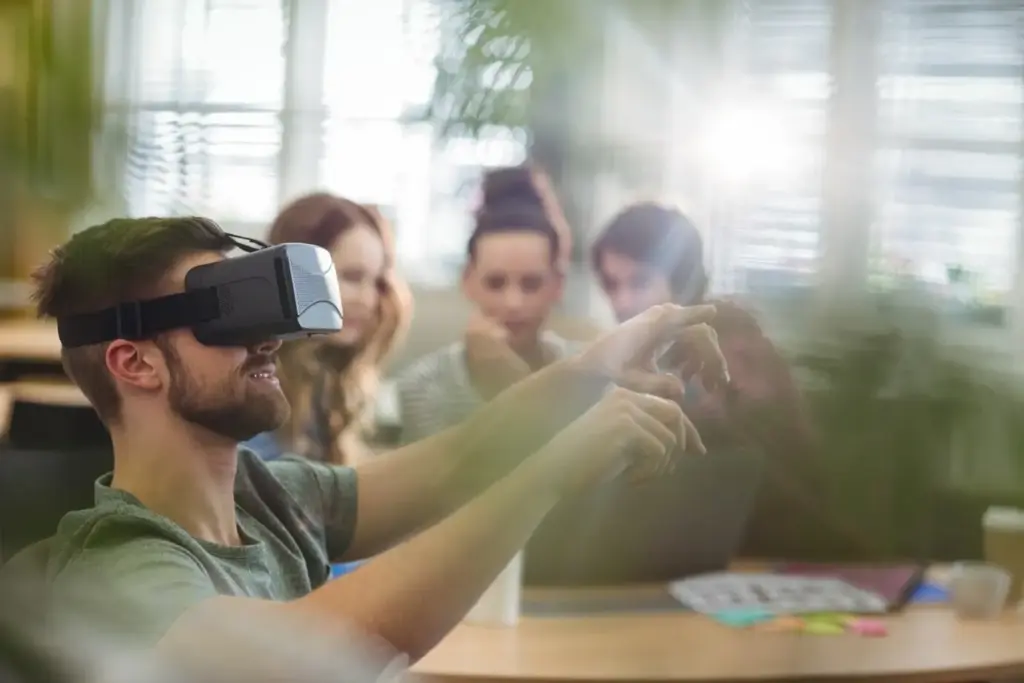
Provide captions, transcripts, audio descriptions, and adjustable contrast. Include tactile aids, printed maps, and color-safe overlays. Build predictable routines so anxious learners feel oriented. Invite preferences at the start, and empower students to choose interaction modes that suit their strengths while maintaining shared learning outcomes.

Low-Bandwidth Doesn’t Mean Low-Impact

Design for offline first. Use lightweight models, on-device caching, and optional paper prompts. Provide downloadable packs in advance and portable battery support. Impact grows from thoughtful questions and clear context, not only high fidelity graphics. Keep the heart of the experience powerful, even when networks falter.

Stories From the Road

Experience brings lessons. A late bus reshaped pacing; a surprise street performance became a spontaneous case study in cultural exchange; rain turned reflections into shelter conversations. These lived moments teach flexibility, empathy, and the art of turning unexpected circumstances into meaningful, memorable learning opportunities for everyone involved.

A Museum Comes Alive After Hours

An educator arranged an evening walk past a closed gallery and used AR to reveal sculptures glowing softly in their original placements. Neighbors paused, asked questions, and joined. Students became docents, explaining forms and materials. That night, community curiosity rekindled the museum’s weekend programs and volunteer base.

Geology Beneath the Playground

Fifth graders layered ancient shoreline maps over their ball field, then traced fossil clues along a nearby path. The moment a student recognized ripple marks in concrete sparked a spirited debate about deposition. The class returned days later with magnifiers, proudly showing families the landscape hiding in plain sight.

Languages That Bloom on Street Corners

Language learners explored a market street where AR labels hovered over fruits, signage, and greetings. They recorded short dialogues with shopkeepers and swapped phrases between groups. Weeks after, vocabulary recall was strongest for items tied to jokes, aromas, and kind exchanges, proving context transforms words into relationships.

Plan a One-Hour Micro-Excursion

Keep it tight: five minutes to orient, thirty minutes in the field, twenty-five to debrief. Preload assets, assign roles, and script two fallback moves. Short and focused beats grand and fragile. Afterward, gather student quotes and artifacts, then refine everything for your next confident outing.

Invite Partners and Build Community

Reach out to librarians, museum educators, park rangers, or local historians. A single expert voice at one stop can elevate the entire journey. Involve families as chaperones and storytellers. Partnerships turn routes into relationships, expanding support, credibility, and the map of possibilities your learners can explore.
Rexirevenakumenapanu
Privacy Overview

This website uses cookies so that we can provide you with the best user experience possible. Cookie information is stored in your browser and performs functions such as recognising you when you return to our website and helping our team to understand which sections of the website you find most interesting and useful.