
Bring Outdoor Learning Alive with Location‑Based AR Scavenger Hunts

Step outside and build memorable learning adventures by designing location-based AR scavenger hunts for outdoor learning. We will explore how to connect curriculum goals with real places, craft meaningful augmented clues, and guide students through safe, inclusive, curiosity-driven journeys that transform parks, campuses, and neighborhoods into living classrooms filled with discovery, dialogue, and delight.

Groundwork: Pedagogy Meets Place

Before placing any digital artifact, anchor your experience in clear learning intentions and the authentic stories of the landscape. Place-based learning magnifies relevance, while augmented reality adds layers that prompt inquiry. When objectives, local context, and movement converge, students remember not just facts but feelings, smells, textures, and the joy of finding answers where they stand together.

Clarify Outcomes and Constraints

Define success with precise verbs, time limits, group sizes, and device realities. Decide whether learners should analyze, compare, hypothesize, or create, and specify what evidence proves understanding. Note battery expectations, cellular coverage, chaperone ratios, and weather contingencies. This clarity becomes your compass, ensuring every waypoint, clue, and AR layer moves learners toward meaningful, measurable achievement instead of novelty for novelty’s sake.

Select Sites That Teach by Themselves

Choose locations where the environment naturally illustrates key concepts: erosion near a stream bank, biodiversity edges along a meadow, civic history at a monument. Let the place speak first; AR should amplify, not overshadow. Consider sightlines, noise, safety, accessibility, and cultural sensitivity. When a rock outcrop whispers geological time or a mural traces community memory, your digital overlays become invitations to look closer, question deeper, and linger thoughtfully.

Designing Compelling AR Clues

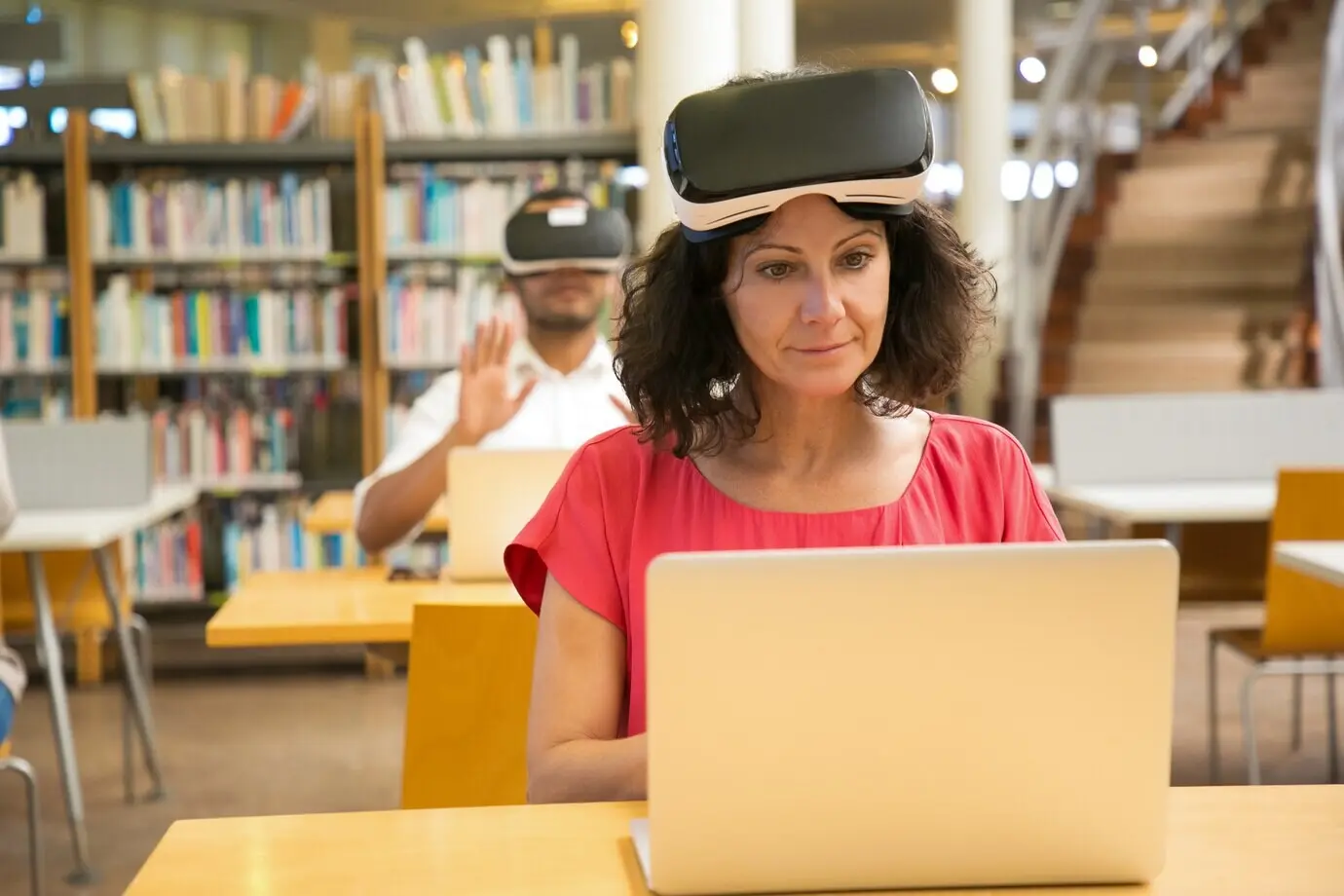
Great clues reward observation, not guesswork. Leverage the site’s textures, patterns, and stories to craft prompts that lead, not mislead. Combine visual overlays, 3D objects, audio narration, and micro-animations to spark curiosity. Offer scaffolds and optional hints that preserve dignity. When learners use their senses and think critically, every reveal feels earned, strengthening confidence and delight in the learning journey.

Technology Stack and Tools

Choose Platforms with Purpose

Compare WebAR for frictionless entry against native frameworks that enable advanced tracking, richer shaders, or haptics. Test on mixed devices and operating systems. Consider authoring ease for educators, not just developers. Seek platforms that permit quick edits and remote updates mid-activity. When tools align with pedagogy and practical realities, content stays fresh, reliable, and adaptable as weather, class size, or curriculum needs inevitably change.

Navigate Geolocation and Sensor Realities

Expect GPS inaccuracies near buildings or trees, compass drift, and variable cellular signals. Counter with larger geofences, visual markers as backups, and on-device prompts guiding learners to adjust orientation. Encourage short screen checks rather than constant phone gazing. Provide paper maps as redundancy. Designing for sensor imperfections models scientific thinking: gather evidence, recalibrate, and triangulate using multiple cues in the real world.

Plan Offline Resilience and Data Ethics

Preload assets and compress media to handle weak connections. Store progress locally and sync later. Collect minimal analytics focused on learning, not surveillance. Anonymize location data and secure permissions, especially with minors. Communicate what is recorded, why, and how long it is retained. Trust grows when participants know their dignity matters more than metrics, and resilient design ensures joyful learning continues even when networks falter.

Safety, Accessibility, and Inclusion

Outdoor learning thrives when everyone feels welcomed and protected. Conduct site walkthroughs, assess hazards, and build clear guidelines. Provide alternatives for mobility needs, sensory sensitivities, and device access. Secure permissions and cultivate community relationships. Inclusive design is not extra work; it is foundational. When learners see themselves considered, engagement rises, and the environment becomes a shared, respectful space for curiosity and growth.

Field Testing and Iteration

No plan survives first contact with real sunlight, gusting wind, and enthusiastic students. Prototype rapidly on-site, observe where attention flows, and tune clues that stall progress or confuse. Gather feedback immediately and again later. Small, continuous refinements create experiences that feel seamless, welcoming, and wonderfully surprising across varied classes, seasons, and community groups.

Assessment, Reflection, and Transfer

Embed Formative Checks in the Flow

Use quick prompts that ask learners to compare observations, justify choices, or predict outcomes before unlocking the next clue. Keep checks brief and authentic. Offer immediate, supportive feedback. These micro-assessments reveal thinking in motion, letting you adapt on the fly and giving students confidence that their reasoning, not just their location, drives progress through the adventure.

Capture Evidence Through Artifacts

Use quick prompts that ask learners to compare observations, justify choices, or predict outcomes before unlocking the next clue. Keep checks brief and authentic. Offer immediate, supportive feedback. These micro-assessments reveal thinking in motion, letting you adapt on the fly and giving students confidence that their reasoning, not just their location, drives progress through the adventure.

Foster Reflection and Real-World Transfer

Use quick prompts that ask learners to compare observations, justify choices, or predict outcomes before unlocking the next clue. Keep checks brief and authentic. Offer immediate, supportive feedback. These micro-assessments reveal thinking in motion, letting you adapt on the fly and giving students confidence that their reasoning, not just their location, drives progress through the adventure.

Partner with Local Voices

Collaborate with park rangers, historians, ecologists, and community elders. Their insights ensure accuracy and deepen empathy. Offer credit and links, and co-create clues that honor lived experiences. Partnerships anchor your hunt in real relationships, turning abstract learning into conversations with neighbors and places, while inviting learners to see themselves as contributors to community knowledge.

Refresh for Seasons and Replayability

Rotate clues to highlight seasonal changes: nesting birds, blooming wildflowers, or shifting water levels. Introduce optional side quests and difficulty modes for returning groups. Reward attentive return visits with new layers and perspectives. A living experience respects the landscape’s cycles and keeps curiosity alive, inviting learners to revisit familiar paths with fresh eyes and renewed wonder.
Rexirevenakumenapanu
Privacy Overview

This website uses cookies so that we can provide you with the best user experience possible. Cookie information is stored in your browser and performs functions such as recognising you when you return to our website and helping our team to understand which sections of the website you find most interesting and useful.