
Turning Places into Proof: Evaluating Learning in Location‑Aware AR
From Knowledge to Situated Performance
Aligning Standards with On‑Site Tasks
Reliable Evidence: Instruments That Fit the Field

Capturing Context: Telemetry and Geo‑Analytics

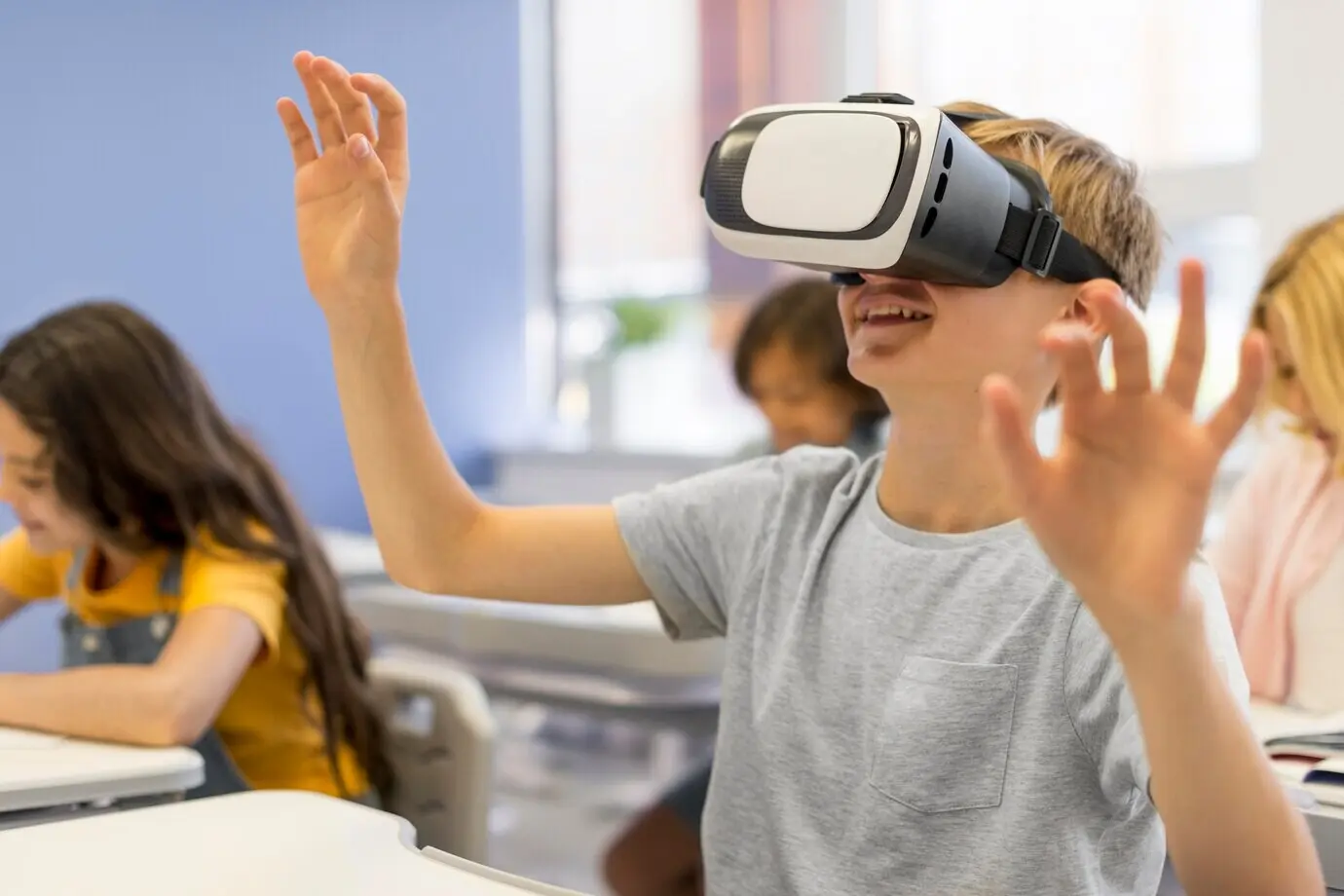
Counterbalancing Routes and Clues

Stepped‑Wedge in Real Schools

Handling Novelty, Weather, and Disruptions
Validity, Reliability, and Fairness Outdoors
Inter‑Rater Reliability in Motion
Device and Sensor Variability
Bias Checks Across Places and Groups
From Data to Decisions: Teaching Moves and Community
Actionable Dashboards for Field Learning
Summaries should be fast, fair, and focused. Combine heatmaps of dwell time with rubric distributions and selected student quotes. Flag persistent misconceptions tied to specific stops, and surface equity gaps for targeted support. Provide exportable notes for parent communication and leader briefings. When dashboards empower immediate adjustments, teachers feel supported, students feel seen, and the community sees how concrete evidence guides better experiences in familiar neighborhoods.
Iterative Improvement with Students as Partners
Treat results as a conversation rather than a verdict. Host quick debrief circles, invite redesign pitches, and test alternate clue orders. Recognize student strategies that worked, then formalize them as tips for future groups. This participatory approach deepens ownership, sharpens metacognition, and generates richer data cycles. When learners help tune rubrics and routes, measures become more humane and insights translate into confident, transferable performance across new locations.
All Rights Reserved.