Turning Places into Proof: Evaluating Learning in Location‑Aware AR

Today we explore measuring learning outcomes from location‑aware AR activities, moving beyond wow‑factor moments to solid evidence of understanding, transfer, and growth. We will connect field‑based tasks, geospatial interactions, and reflective practice with trustworthy instruments, clear designs, and ethical data use. Expect practical strategies, lively examples, and opportunities to share experiences, ask questions, and refine your own evaluations with a supportive community of educators and researchers.

From Knowledge to Situated Performance

Paper answers can look strong while on‑site decisions falter. Define performance that truly lives in place: reading a shoreline’s erosion markers, tracing utility lines, or interpreting neighborhood artifacts. Rubrics can integrate correctness, timeliness, safety, and civic sensitivity, ensuring that learners demonstrate understanding while navigating real constraints, varying terrain, and multilingual signage. This shift honors applied competence over memorization, revealing misunderstandings that only emerge when maps, moments, and movement combine.

Aligning Standards with On‑Site Tasks

Map curriculum standards to field‑based challenges rather than retrofitting later. If the standard emphasizes modeling systems, require an AR‑guided representation of watershed flow at specific coordinates. If it highlights argumentation, prompt evidence‑backed claims at landmarks. By designing tasks directly from standards, results translate back into the classroom, easing grading, supporting reporting, and communicating value to caregivers and leaders who expect clarity, comparability, and actionable insights beyond novelty.

Reliable Evidence: Instruments That Fit the Field
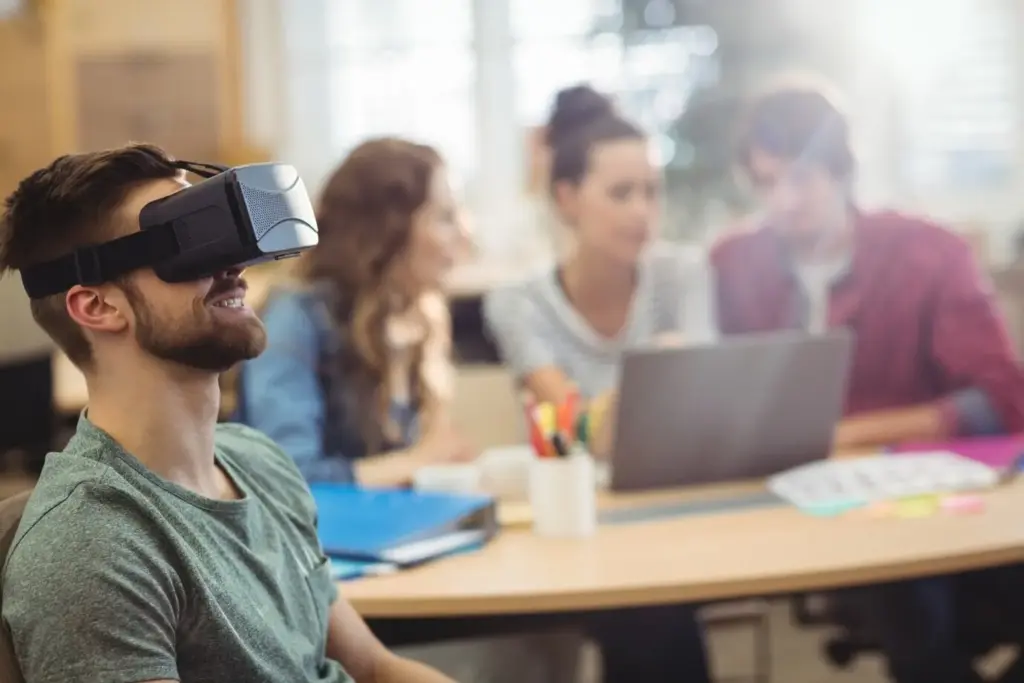
Use a toolkit that respects movement and context. Combine pre/post measures for conceptual shifts, performance rubrics for situated tasks, and quick AR‑triggered checks that capture learning in the moment. Balance efficiency with depth using short concept inventories, micro‑essays, and photo‑annotated explanations. Borrow reliability practices from clinical simulations, then adapt them to sidewalks and parks. Above all, choose instruments students perceive as fair, meaningful, and connected to real places they care about.

Capturing Context: Telemetry and Geo‑Analytics
Location‑aware AR yields rich traces—GPS paths, dwell times, interaction sequences, and media captures. Used wisely, these signals illuminate how learners explore, where confusion lingers, and which prompts spark insight. Derive features like path efficiency, point‑of‑interest coverage, or revisits after feedback. Correlate patterns with assessments carefully, avoiding simplistic conclusions. An ethical approach favors aggregation, consent, and minimization, turning movement into meaning while safeguarding privacy and respecting the communities students traverse.

Counterbalancing Routes and Clues

Ensure that learning differences are not just route differences. Alternate starting points, reverse clue orders, and equalize walking demands. Provide comparable cognitive loads at each stop, even if scenery shifts. Track time‑on‑task and interruptions from traffic or construction. Such counterbalancing helps isolate the effect of specific AR interactions or scaffolds from the charm of a viewpoint or the convenience of shade, producing cleaner comparisons and more defensible conclusions.

Stepped‑Wedge in Real Schools

When you cannot launch universally, roll out by waves. Randomly assign start weeks, gather baseline data for all, then compare early and later cohorts. This approach respects scheduling constraints, bus availability, device pools, and permissions, while still generating causal evidence. Provide shared training and materials to reduce drift across cohorts. The design invites teacher feedback between waves, turning research into an improvement journey rather than a disruptive one‑off event.

Handling Novelty, Weather, and Disruptions

First walks can inflate excitement and distort measures. Build acclimation sessions, test devices beforehand, and capture novelty ratings. Log weather, noise, and crowds to model their influence on scores and paths. Prepare rain‑safe alternatives or indoor anchors without changing cognitive demands. Record unexpected detours transparently. By anticipating logistical bumps, your study remains credible and compassionate, respecting student safety and community spaces while preserving the interpretability of outcome differences.

Validity, Reliability, and Fairness Outdoors

Strong claims require strong evidence. Establish content validity with expert reviews tied to specific sites, and construct validity through converging measures—tests, performances, and reflections. Train raters with real field artifacts, compute agreement, and adjust rubrics when drift appears. Check fairness across neighborhoods, devices, and mobility needs. Address GPS error and network dead zones with offline caching and tolerance buffers. With rigor and care, results become trustworthy guides for teaching decisions.

Inter‑Rater Reliability in Motion

Calibrate with shared video clips, photos, and audio from identical stops. Practice scoring until agreement stabilizes, then monitor with periodic double‑ratings during actual walks. Create anchor exemplars for each rubric level. When disagreements arise, analyze language and revise descriptors. This living calibration routine respects the fluid nature of outdoor performance while keeping feedback fair, timely, and specific, so students trust the process and understand how to grow.

Device and Sensor Variability

Different phones, battery levels, and GPS chips can influence triggers and timing. Set minimum specifications, provide loaners, and design forgiving geofences. Log device metadata to interpret outliers and reflow interactions when signals drift. Offer non‑visual cues for low‑brightness screens, and offline caching for poor connectivity. By planning around variability, you reduce frustration, protect data quality, and ensure that measured learning reflects thinking, not hardware lottery or signal quirks.

Bias Checks Across Places and Groups

Analyze items for differential functioning across neighborhoods, languages, and accessibility needs. Are certain prompts culturally opaque or phrased in ways that advantage local insiders? Invite community advisors to review content, translate thoughtfully, and add context frames. Compare outcomes by route and subgroup, then revise experiences so evidence reflects opportunity, not privilege. Fairness audits build legitimacy, improve alignment with community values, and elevate every learner’s chance to demonstrate growth.

From Data to Decisions: Teaching Moves and Community

Evidence matters only if it changes practice. Translate findings into clear next steps: reteach fragile ideas, streamline confusing prompts, or celebrate routes that spark curiosity. Share dashboards that blend scores, paths, and reflections into digestible stories. Invite students to co‑interpret patterns and propose improvements. Encourage readers to comment, subscribe, and swap protocols. Together we can refine instruments, elevate equity, and turn vibrant places into reliable platforms for enduring learning.

Actionable Dashboards for Field Learning

Summaries should be fast, fair, and focused. Combine heatmaps of dwell time with rubric distributions and selected student quotes. Flag persistent misconceptions tied to specific stops, and surface equity gaps for targeted support. Provide exportable notes for parent communication and leader briefings. When dashboards empower immediate adjustments, teachers feel supported, students feel seen, and the community sees how concrete evidence guides better experiences in familiar neighborhoods.

Iterative Improvement with Students as Partners

Treat results as a conversation rather than a verdict. Host quick debrief circles, invite redesign pitches, and test alternate clue orders. Recognize student strategies that worked, then formalize them as tips for future groups. This participatory approach deepens ownership, sharpens metacognition, and generates richer data cycles. When learners help tune rubrics and routes, measures become more humane and insights translate into confident, transferable performance across new locations.
Rexirevenakumenapanu
Privacy Overview

This website uses cookies so that we can provide you with the best user experience possible. Cookie information is stored in your browser and performs functions such as recognising you when you return to our website and helping our team to understand which sections of the website you find most interesting and useful.